

Contents
Key points
- A handyman business plan does not need to impress a bank. Most owners write it for themselves, so keep it to one page of decisions you can actually use.
- The financial section is where most plans go wrong. The mistake is assuming a full day is billable. Plan on the hours you really bill, not the hours you work.
- Handymen on Reddit report about 20 billable hours a week is a good week, once driving, quoting, and parts runs are taken out. That number sets your real revenue ceiling.
- Pricing is simple: charge around the going hourly rate, and add a markup on top of labor and materials for project quotes. Do not undercut to win work.
- You are the crew and the front desk in year one. Every quote call you miss under a sink is a job that goes to whoever calls back first. The phone is a line item.
A handyman business plan does not need to read like a bank document. Most handymen write it for themselves, not a lender, so it should be short and made of real numbers: what your work actually earns in a week, what it costs to keep the truck running, and how you find customers. This guide walks the full plan section by section, then gives you a one-person financial projection built on the hours a handyman really bills, not the hours he works.
That last point is where most plans fall apart. It is easy to write down a big revenue number by assuming you bill a full 40-hour week. You will not. Below is the plan in order, a worked example you can copy and change, and the pricing and time reality that handymen describe on Reddit but no template mentions.
What goes in a handyman business plan
Keep the plan to the sections that help you make decisions. On one page, in this order:
- Business description: what you do, where you work, and who you serve.
- Services: the short list of jobs you take, and the ones you turn down.
- Pricing: your hourly rate and how you quote a project.
- Market and competition: your customers and why they pick you.
- Marketing: how people find you and how you follow up.
- Operations: your tools, your schedule, and who answers the phone.
- Financial plan: your billable hours, your revenue, your costs, and your break-even point.
- Milestones: your goals for the first 6 and 12 months.
Business description and services
Open with a few sentences: what your business is, your service area, and whether you run as a sole proprietor or an LLC. Do not overthink the wording, but do think about the structure. Many handymen form an LLC to keep their home and savings separate from a job that goes wrong. The full walkthrough of registering, licensing, and insuring is in our guide on how to start a handyman business, so keep it to a line or two here.
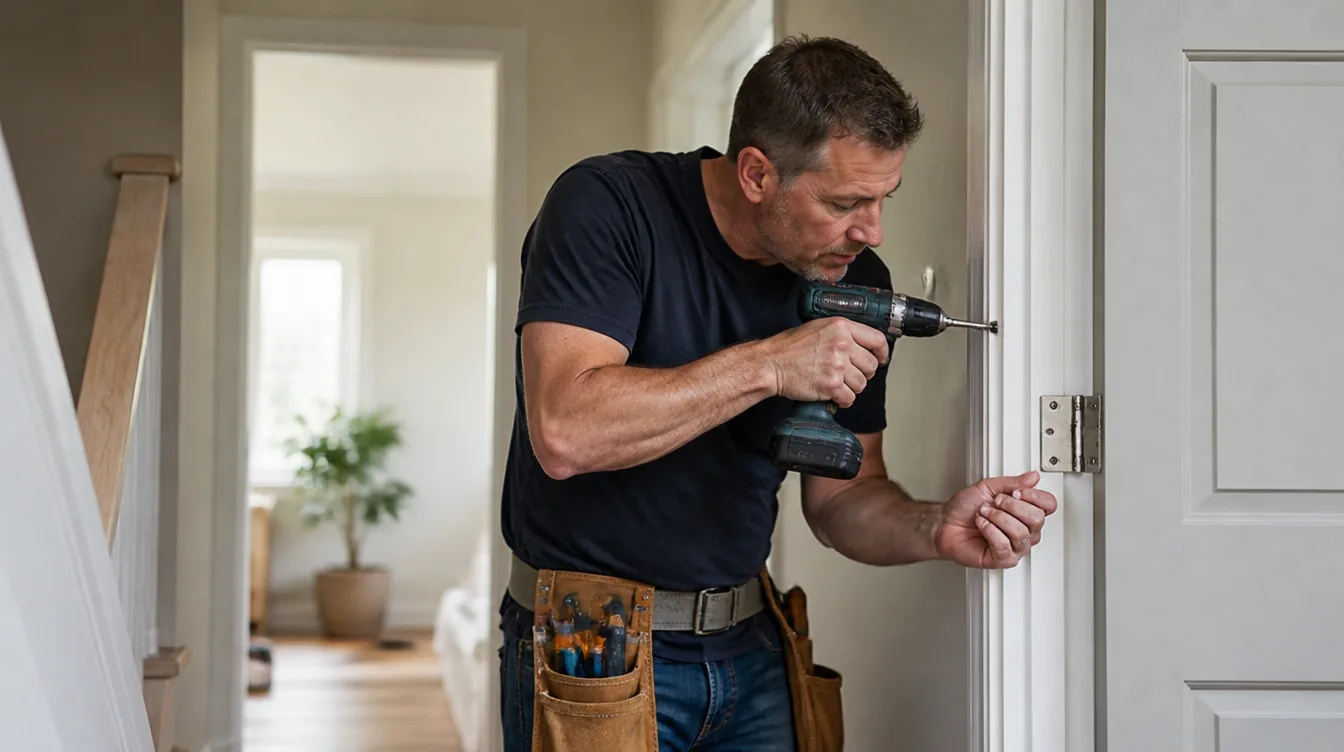
The services section is where new owners try to do everything. Do the opposite. Name a short list of jobs you are good at and fast at, and say which ones you turn down. As one handyman put it, if you have to look up how to fix something on YouTube, you are likely to get sent home. A tight list of doors, drywall, fixtures, and small repairs reads stronger than a plan that promises anything. Your customers are usually homeowners and, if you can land them, property managers with several units who bring steady, repeat work.
Pricing strategy
Pricing is the part of the plan you can settle quickly. Most handymen charge around the national average of $60 to $65 an hour, and rates climb with your market and skill. One handyman in a high-end area reported charging between $100 and $250 an hour. For jobs that include materials, do not just pass the cost through. A common method is to add a 40 to 50 percent markup on top of your labor and materials to reach the final quote. Write down your hourly rate and your markup, and stop guessing on the spot. Our handyman estimate template turns that into a quote you can hand a customer on-site.
Market, competition, and marketing
Your market section is not about the national industry. It is about your town: who hires handymen near you, and why they would call you over the next guy. For most solo handymen the honest competitive edge is not price, it is being reliable and easy to reach. Your marketing plan can be short and mostly free at first: a complete Google Business Profile, reviews from happy customers, word of mouth, and a presence on Nextdoor and local Facebook groups. Real handymen report those channels, plus simple truck signage, bring in more work than paid ads early on. Spell out how you follow up on a lead, because that is where most of your competitors are weak.
The financial plan
This is the section that decides whether the plan is real. Lay out four things: how many hours you actually bill, your hourly rate, your monthly costs, and the point where the two meet. Your costs are low for a handyman. General liability insurance runs around $85 a month, plus fuel, phone, and software. Startup costs usually land around $2,000 to $4,000, covered in the sibling guide on starting a handyman business. Because costs are low, your break-even is low too. The hard part is not covering costs, it is filling billable hours.
A one-person projection built on real billable hours
Here is where most plans lie to their owner. It is tempting to write 40 billable hours a week at $65 an hour across 48 weeks, which comes to about $125,000. That number is a fantasy. Handymen on Reddit are blunt about it: one wrote that about 20 billable hours a week was a good week, because driving, buying parts, writing quotes, and talking to customers eat the rest. He billed one hour for a job that took him four.
So build the plan on the real number. Say you bill 20 hours a week at $65 an hour across 48 weeks. That is about $62,000 in labor revenue, before any markup on materials. Take out roughly $8,000 a year for insurance, fuel, phone, software, and tool replacement, and you keep about $54,000 before taxes and your own pay. That is a solid solo year. If your plan shows six figures in year one, you have almost certainly assumed a full billable day, and you should cut the hours in half and look again.
Operations and who answers the phone
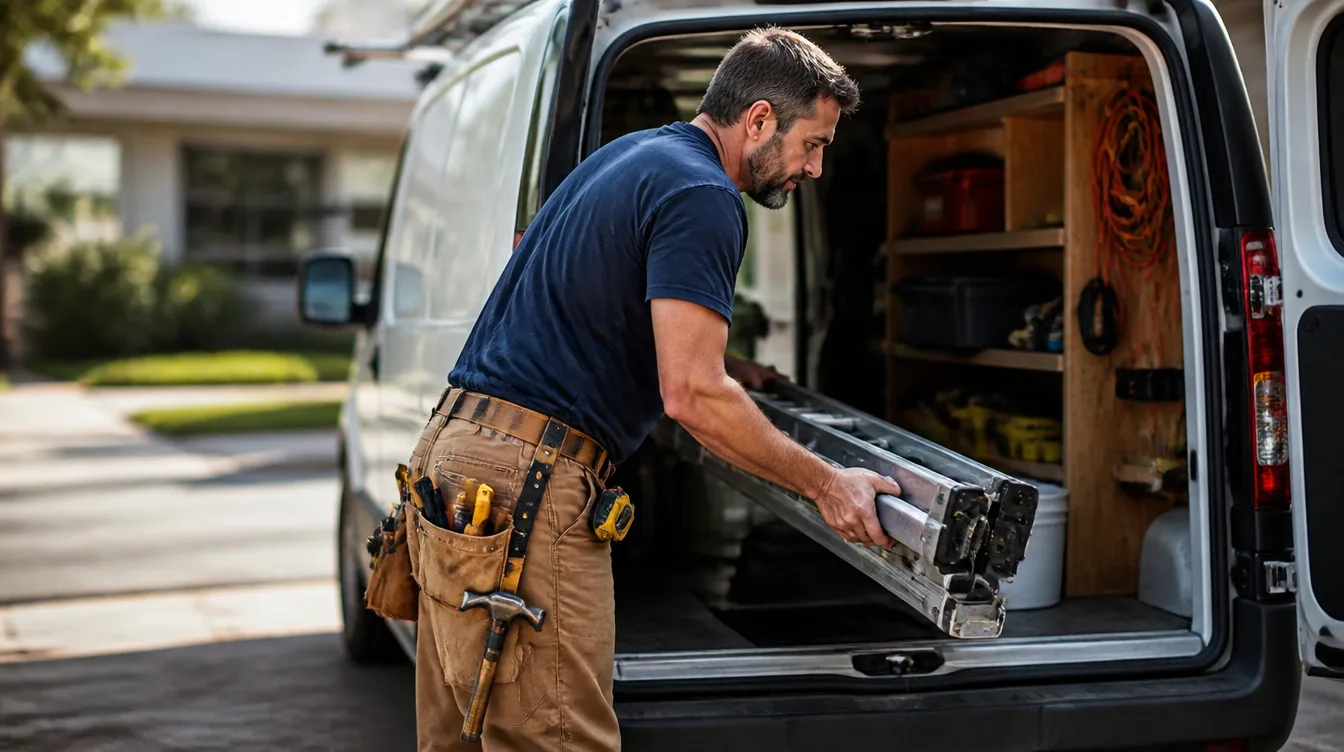
Operations is your day-to-day: your tools, your schedule, and, in the first year, who answers the phone. The honest answer is you do, usually with your hands full under a sink. Every quote call that goes to voicemail while you are on a job is a job that goes to whoever picks up. One handyman summed up the whole edge in a sentence: if you just return calls you will do better than 95 percent of your competition.
So treat answering the phone as a real line in the plan, the same as insurance or fuel. A receptionist service like EveryDial answers every call in your business name, 24 hours a day, and books the job while you are on a ladder, then sends you the details. It is a flat monthly price, $49 a month for the Starter plan and $149 for Pro, not a charge per call. See how it works for handymen on our answering service page, and put a number on the calls you already miss with our missed-call cost calculator.
EveryDial answers every call in your business name and books the job while you're under a sink. Free to try.
Milestones and growth
Close the plan with a few simple goals so you can tell if it is working. A 6-month milestone might be a steady list of repeat customers and a full week most weeks. A 12-month milestone might be a set of property-manager accounts, or enough steady work to think about hiring help. Do not add your first employee until your billable hours are consistently full and the numbers say a second person pays for themselves. Growth for a handyman is mostly about protecting your time, not chasing every job.
What handymen say about the numbers
The polished template plans describe a smooth, profitable climb. Working handymen are blunter, and the theme is always the same: it is easy to be busy but broke. You can fill your days and still fall short because so many of those hours are not billable. That is why the plan above starts from real billable time, not a full week. Build your revenue on 20 solid hours, price your work with confidence, answer the phone, and the plan tends to hold. Assume a full billable day and it will not.
Turn the plan into booked work
Once the plan is on paper, put the money sections to work. Price your jobs with the estimate template above, then lock in the scope and payment terms with our free handyman contract template so you are not chasing money or arguing over what was included. A business plan is rarely needed to get a license, since most handyman licensing is about registration, insurance, and your state's rules. You mainly need a written plan when you are borrowing money, or, more often, when you want an honest picture of the business before you commit to it.
Frequently asked questions
Is a handyman business profitable?
It can be, but the headline hourly rate is not the whole story. What determines profit is how many hours you actually bill, which is often around half of what you work once you count driving, quoting, and parts runs. A solo handyman billing 20 hours a week at the going rate can clear a solid living. Owners who assume a full billable day end up busy but broke.
What do most handymen charge per hour?
The national average runs about $60 to $65 an hour, and it climbs with your market and skill. In high-end areas some handymen charge $100 to $250 an hour. For jobs with materials, most add a 40 to 50 percent markup on top of labor and materials rather than charging by the hour alone.
Do I need an LLC as a handyman?
You are not required to, but many handymen set one up. An LLC keeps your home and personal savings separate from the business, so a customer lawsuit or an accident does not put your house at risk. It is a small state filing fee and lets you open a business bank account. Weigh it against staying a sole proprietor with good insurance.
Do I need a license to start a handyman business?
It depends entirely on your state, and this is the part to check first. Some states let handymen work without a license on small jobs, often under about $1,000, while others require a contractor's license for any project regardless of price. Look up your own state's rule before you quote work, since the dollar threshold and the type of license both vary.
Is it legal to pay a handyman cash?
Yes, paying a handyman in cash is legal. Being paid in cash does not change your tax duties, though. You still have to report the income, and running it through a business bank account keeps your books clean and makes tax time easier. Cash payments are only a problem when income goes unreported.