
Contents
Key points
- Starting a handyman business is a short list of steps in order: pick your services, register, decide on a license, get insured, then buy tools and set prices.
- Startup cost guides disagree because they measure different things. A real lean start runs about $2,000 to $4,000. Wider ranges up to $25,000 usually include a vehicle.
- Licensing is not one rule. Most states cap unlicensed work at a dollar amount, like California's $500 limit, but regulated trades like electrical and plumbing often need a license no matter the job size.
- Handymen on Reddit report charging by the job instead of the hour, averaging around $90 an hour once the math is done, and getting first customers from a Google Business Profile more than any paid app.
- A solo handyman is also the entire office. Missing calls while you're on a ladder costs jobs to whoever calls the customer back first.
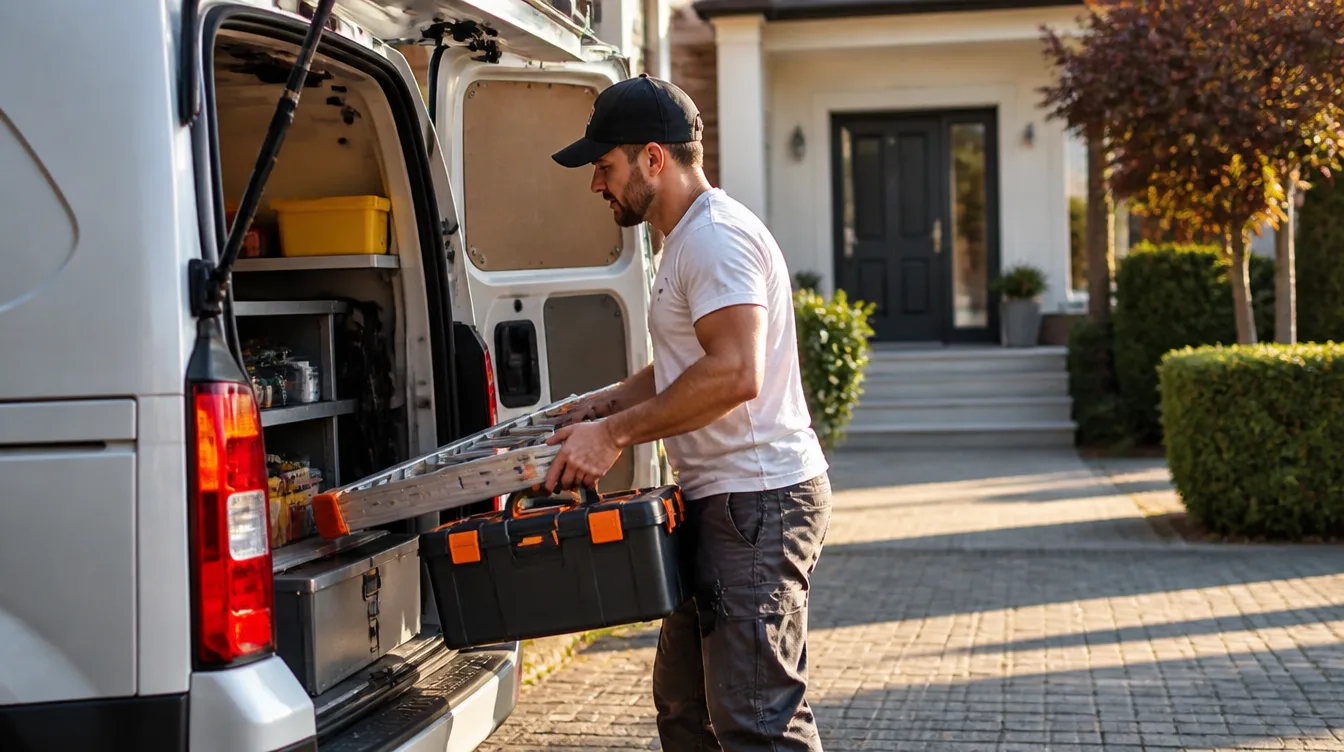
Here is how to start a handyman business, step by step. You do not need a storefront or a big loan. Most people start with the tools they already own, a truck or van, and the skills from years of doing this kind of work for themselves or an employer. The steps come in order. Pick your services. Register the business. Decide whether you need a license. Get insured, buy tools, set prices, and land your first customers.
If you want the planning document a lender or partner expects to see, read our guide on how to write a handyman business plan. This guide covers the steps that come before and around that document, the actual launch checklist.
Decide your services and specialty
Write down what you're actually good at before anything else. Most handymen start as generalists: drywall patches, faucet repairs, furniture assembly, deck boards, painting touch-ups, and small electrical or plumbing fixes that fall under the legal limit in their state. Some narrow down to a specialty like carpentry or tile once they have steady customers. Your list of services drives everything that follows, including which license rules apply to you, so decide this before you spend money on tools or insurance.
Choose a business structure and register
Most new handymen choose between a sole proprietorship and a limited liability company, or LLC. A sole proprietorship is the default if you do nothing. It costs nothing extra to set up, but your personal savings and home are not protected if a customer sues over damage or an injury. An LLC costs a state filing fee, usually under $500, and separates your personal assets from the business. After you pick a structure, register your business name with your state and get a free Employer Identification Number, or EIN, from the IRS. You'll need the EIN to open a business bank account and, later, to hire anyone.
Do you need a license? A simple way to decide
This is the question every new handyman asks, and most guides answer it badly with just "check your state." There are really two separate rules, and mixing them up is what gets people in trouble.
The first rule is a dollar threshold. Most states let you do general handyman work without a license as long as one job stays under a set dollar amount, materials and labor combined. California sets that limit at under $500. In Nevada, it's $1,000. Every state is a little different. Some counties and cities add their own caps and permit rules on top of the state limit, so check your county and city rules, not just the state's.
The second rule has nothing to do with dollar amount. Regulated trades often need a licensed specialist no matter how small the job is. That mainly means electrical, plumbing, and HVAC or gas work. This holds even in states that put no cap on general handyman work at all. A $50 outlet swap can still require an electrician's license in a state where a $2,000 deck repair needs nothing. Before you take a job in one of these trades, check whether your state treats it as regulated work rather than general handyman work, separate from any dollar limit.
In practice, handymen on Reddit report running with just an LLC and a liability policy, no formal handyman license at all. They stay under their state's dollar cap and avoid regulated-trade work outright. That is a common, legal way to run a small handyman business, as long as you actually know where your state's line is.

Get insured before your first job
General liability insurance is the one policy every handyman needs, licensed or not. It covers the damage that comes with the work: a cracked tile, a nicked pipe, a customer who trips over your ladder. As a part-time handyman, a policy typically runs about $40 to $50 a month. Full-time, with coverage up to $1,000,000 per claim, it runs closer to $80 to $90 a month. Some handymen carry even more. One handyman on Reddit reported raising his coverage to $1,000,000 when a commercial client required it, then higher still just in case. Carry liability insurance even on jobs where it isn't legally required. One bad job without it can end a small business.
Start lean: a realistic budget
Startup cost estimates for a handyman business vary a lot, and most of that gap comes down to what's included, not disagreement about the work. A line-item estimate that assumes you already own basic tools puts a real lean start at about $2,000 to $4,000. That covers a business license around $100 to $400, a simple website around $100 to build yourself, a logo around $100 to $200, initial marketing around $500, insurance around $100 a month, and $500 to $1,500 for any extra tools you still need. A separate estimate that includes a dedicated vehicle runs much wider, $5,000 to $25,000, because a used work van or truck alone can cost several thousand dollars. Neither number is wrong. One assumes you already have a vehicle and some tools. The other assumes you're starting with nothing but the license.
If you're trying to start with close to no money, the honest path is this: use the vehicle and tools you already own, skip the professional website and logo until you have paying customers, register as a sole proprietor instead of paying an LLC filing fee up front, and put your first dollars into liability insurance and a free Google Business Profile instead of paid ads. The full budget and cash-flow math lives in the business plan guide linked above.
Set your prices
The average handyman in the US charges between $60 and $85 an hour. That's a useful starting point, not a rule. Handymen on Reddit report a different pattern once they've been in business a while: bill by the job, not by the hour. One handyman who bills this way said his average works out to about $90 an hour once the job is done, in a mid-size city that isn't one of the highest cost-of-living markets. Billing per job instead of per hour rewards you for working efficiently instead of penalizing you for it. Whatever method you use, set aside 25 to 30 percent of your income for taxes, since self-employment tax is steeper than most new owners expect. Use our handyman estimate template so every price you give out is built the same way, not guessed on the spot. And put terms in writing with our handyman contract template from your very first job.
Get your first customers
A complete Google Business Profile is one of the first moves handymen on Reddit recommend, since it is the highest-value, lowest-cost way to look legitimate and start getting calls. After that, word of mouth, local Facebook and Nextdoor groups, and yard signs on finished jobs do most of the early work. Lead apps like Thumbtack, TaskRabbit, and HANDY can fill gaps in your calendar, but handymen who use them describe mixed results. Thumbtack sells the same lead to several bidders and charges even if you don't win the job. App-sourced jobs also tend to pay less than direct work while you build reviews. Treat these apps as a way to build a reputation early, not a long-term source of your best-paying work.
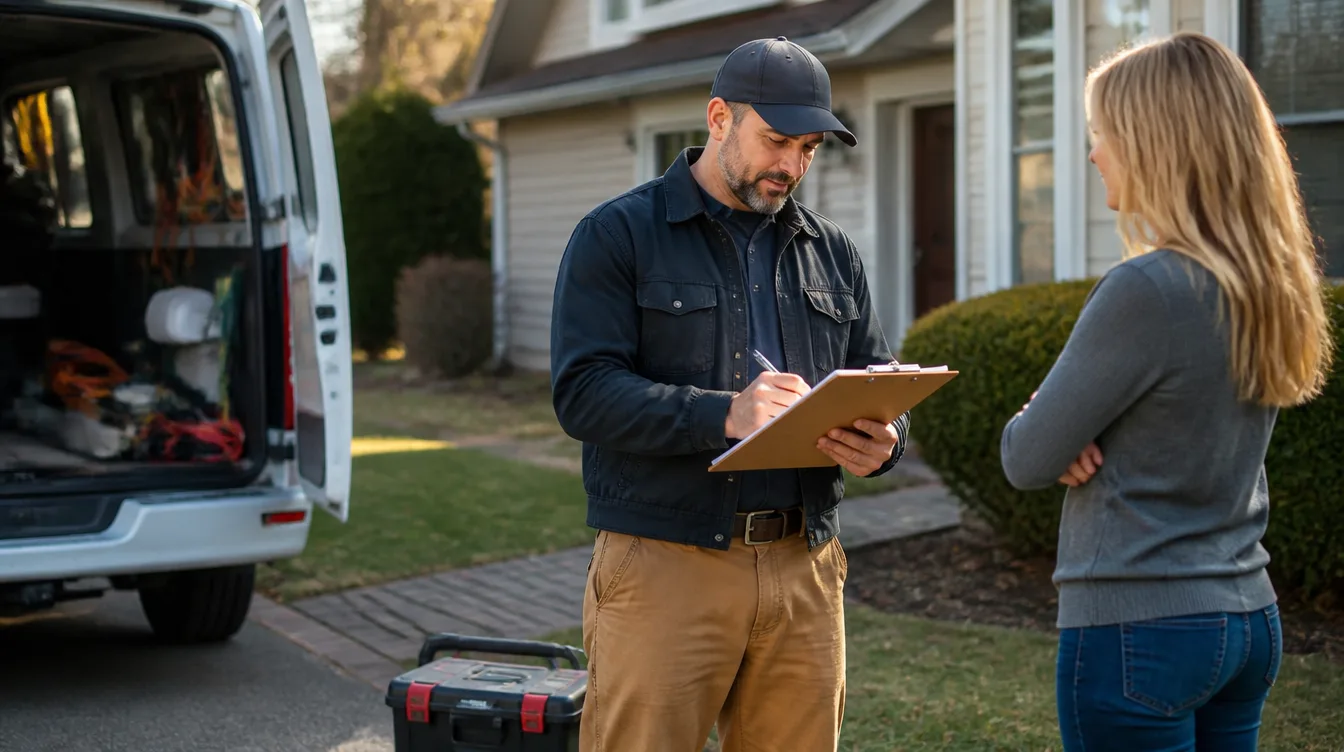
Here's the part most startup guides skip. Once you're out doing the work, you're also the entire office. A homeowner comparing quotes calls the next name on the list the moment a call hits voicemail. The job goes to whoever calls back first, not whoever does the best work. A receptionist for handyman calls like EveryDial answers every call in your business name and sends you the details, so you never have to choose between finishing a job and losing the next one. Run the numbers for your own market with the missed-call cost calculator before you decide voicemail is good enough.
EveryDial answers every call in your business name and sends you the details while your hands are full. Plans start at $49 a month. Free to try.
Build from here
None of this needs to happen all at once. Start with the services you already know how to do well, register the business, get liability insurance, and stay under your state's unlicensed-work limit while you learn what regulated work you need to steer clear of. Price by the job once you know your costs. Then put a system in place, insurance, a signed contract, and someone answering the phone, before the first missed call becomes the first customer you lose.
Frequently asked questions
How much money does it take to start a handyman business?
A lean start, assuming you already own basic tools and a vehicle, runs about $2,000 to $4,000: business license, a simple website, insurance, and a few extra tools. Estimates that include buying a dedicated work vehicle run much higher, $5,000 to $25,000, because the vehicle alone can cost several thousand dollars.
Is a handyman business profitable?
It can be, and profitability depends mostly on pricing discipline and how much repeat work you build. Handymen who bill by the job instead of by the hour report averaging around $90 an hour once a job is done. Set aside 25 to 30 percent of income for self-employment tax, since that's the cost new owners most often forget to budget for.
Do I need a license to start a handyman business?
It depends on your state and the job. Most states let you do general handyman work without a license as long as one job stays under a dollar threshold, materials and labor combined, such as California's $500 limit or Nevada's $1,000 limit. Separately, regulated trades like electrical, plumbing, and HVAC often need a licensed specialist no matter the job size, even in states with no general dollar cap.
How to start a handyman business with no money?
You can't truly start with zero dollars, but you can start close to it. Use the tools and vehicle you already own, register as a sole proprietor instead of paying an LLC filing fee right away, skip a paid website and logo until you have customers, and rely on a free Google Business Profile and word of mouth instead of paid ads. Put your first dollars into liability insurance, since that's the one cost that isn't optional.
What do most handymen charge per hour?
The US average runs about $60 to $85 an hour. Handymen who bill by the job instead of by the hour report their effective rate landing higher, around $90 an hour, once the job is priced and done, since job-based pricing rewards working efficiently instead of penalizing it.