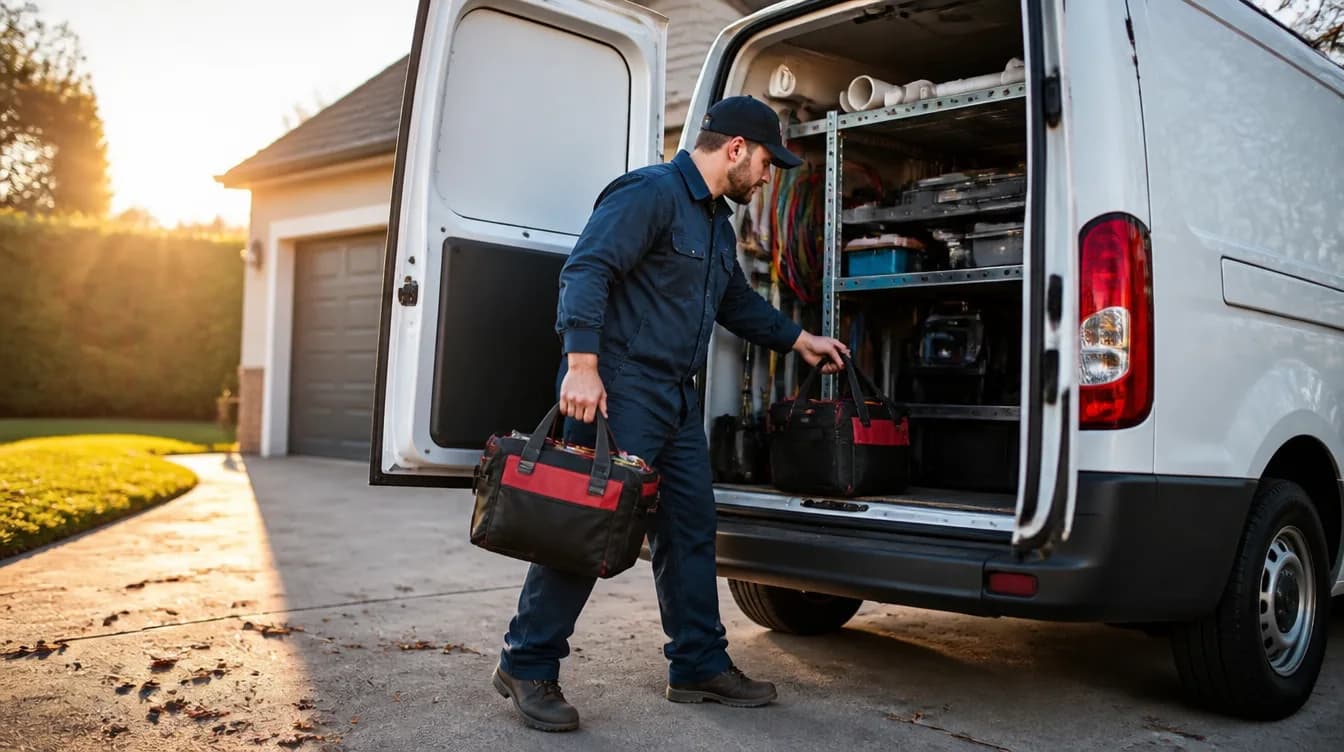

Contents
Key points
- Get your license first. The path runs apprentice, journeyman, master, and running your own shop usually needs a master license or a partner who holds one. Rules change by state.
- Starting a plumbing business runs $10,000 to $50,000. A lean garage start sits near the low end, and a full truck start can reach $100,000 or more.
- Buy only the tools each job needs. Rent or borrow specialty gear and use equipment financing until the work pays for it.
- Price for profit and answer every call. Established shops reach 30 to 40 percent margins, but only when their prices are right and the phone gets answered.
This guide shows you how to start a plumbing business, step by step, with real costs. You need a license, a legal business, insurance, tools, a van, and a way to get customers. The order matters, and so do the numbers. Below is the full path from working for someone else to running your own shop.
You do not need a business degree to do this. You need your trade license, enough cash to cover the slow first months, and a phone that gets answered. We will walk each step in order, show a startup budget for a lean start and a full start, and share the real numbers the polished guides skip.
Step one: get licensed
Plumbing is a licensed trade in most states. You cannot pull permits or bill legally without the right license, so this comes first. The path runs from apprentice to journeyman to master, and the rules change by state. Most states make you log years of hours and pass an exam at each step. Where you can start depends on how far along you are.
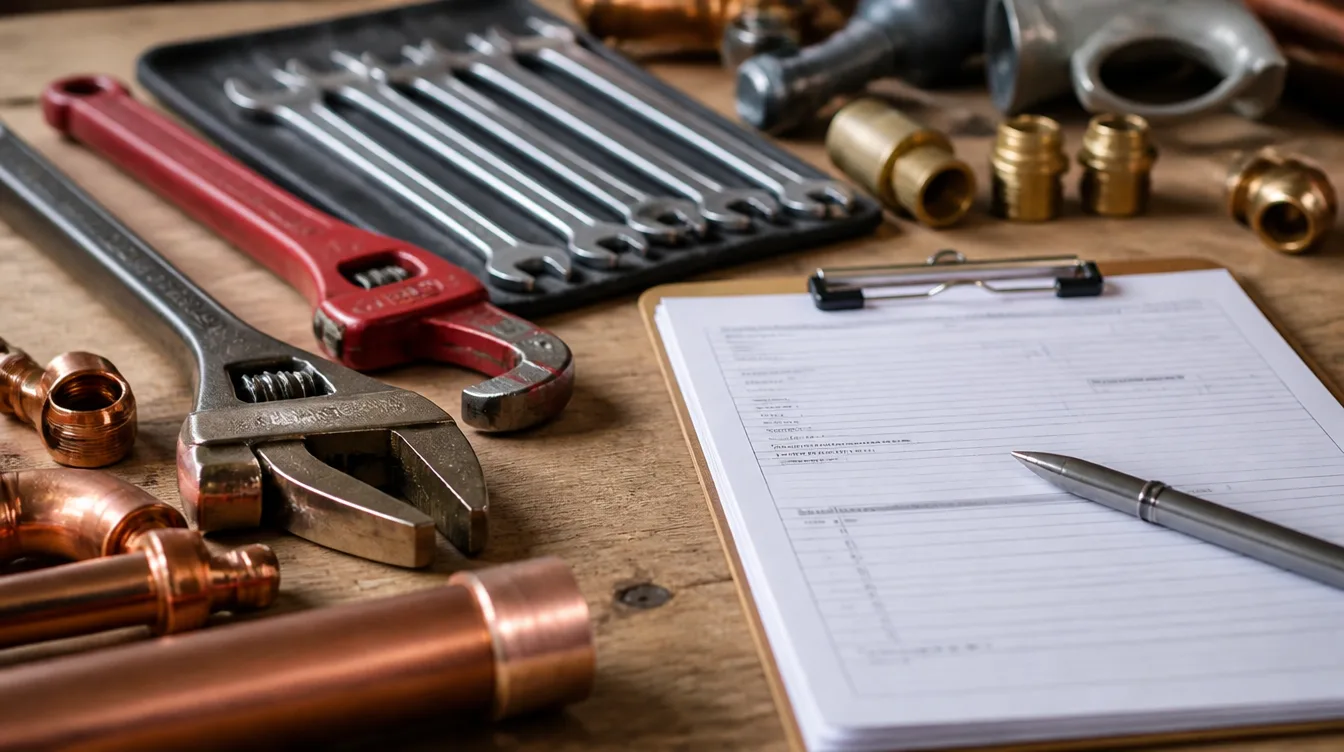
If you are still an apprentice
You are learning on the job under a licensed plumber, so you cannot run your own shop yet in most states. Keep logging hours and study for the journeyman exam. The master license path often takes six to eight years of documented work before you can sign off on your own jobs.
If you are a journeyman
You can do the work on your own, but many states still require a master plumber to hold the business license. Check your state board before you plan a launch. You may need to partner with a master plumber or finish your own master hours first.
If you have a master license
You can hold the business license and sign off on jobs yourself, which is the clear path to your own shop. As one state example, Florida asks its certified plumbing contractors for at least four years of experience, one of them as a foreman, and sets insurance minimums of $300,000 for bodily injury and $50,000 for property damage. Your state will differ, so confirm the rules with your licensing board.
Step two: pick residential or commercial
Decide who you serve before you buy a single tool. Residential work means homes, repairs, water heaters, and drains. Commercial work means bigger jobs, longer timelines, and stricter code, often with a different license. Most solo plumbers start residential because the jobs are smaller and the cash comes in faster. You can add commercial work later once you have a crew.
Step three: set up your business
Now make the business real on paper. Most plumbers form an LLC because it keeps your personal money separate from business risk. Register the business with your state, get an EIN from the IRS for taxes, and open a business bank account. Keep business and personal money apart from day one. It makes taxes and bookkeeping far easier later.
Step four: get insured and bonded
Insurance protects you when a job goes wrong, and many states require it before they issue your license. Start with general liability, which covers damage and injury claims. Add workers' compensation once you hire help. Some states and cities also want a surety bond. Basic coverage for a solo shop can run up to $2,000 a year, and it climbs as you add trucks and staff.
Step five: write a simple business plan
You do not need a thick document, but you do need the numbers on paper, especially if you want a loan. A short plan covers your services, your prices, your startup costs, and how long your cash lasts. Our plumbing business plan guide walks through each section with a worked first-year budget, so use that instead of building one from scratch here.
What it costs to start a plumbing business
Here is the part most guides skip: real numbers. Startup costs for a plumbing business usually run $10,000 to $50,000, depending on your state and how big you start. The big swing is your van and tools. You can start lean from your garage, or go all in with a wrapped truck and a full tool set. The common line items look like this:
- Licensing and certification: up to $500.
- Tools: upwards of $5,000 for a starter set.
- Work van: $10,000 to $50,000, used or new, and usually your biggest single cost.
- Insurance: up to $2,000 a year for a solo shop.
- Marketing: $9,000 or more a year once you push hard for jobs.
The lean garage start
You keep your risk low. You work out of your own vehicle or a cheap used van, buy only the tools each job needs, and rent or borrow the expensive gear. This keeps you near the low end of the range. A rough budget to open:
- License and setup: about $1,000
- Basic tools: about $3,000
- Used van, or your own truck: $5,000 or borrowed
- Insurance, year one: about $1,500
- Total to open: roughly $10,000 to $12,000
The full truck start
You buy a proper work van, wrap it, stock a full tool set, and pay for marketing from day one. It costs far more, but you look established fast. One Austin plumber on Reddit puts a full truck start at about $100,000 liquid, and says you can be about $10,000 in debt before your first job. That is the high end. Most new plumbers land somewhere in the middle.
- Full tool set: $5,000 or more
- New or newer wrapped van: $30,000 to $50,000
- Insurance and bonding: about $2,000
- Marketing for year one: $9,000 or more
- Total to open: $45,000 to $100,000 or more
Tools, equipment, and your van
You do not need every tool on day one. Buy the tools your first jobs need, and add the rest as the work demands. Two smart moves save cash early:
- Rent or borrow specialty gear. A sewer camera or a big drain machine can wait until enough jobs pay for it.
- Use equipment financing. Tool makers and lenders like RIDGID, Beacon Funding, and Balboa Capital let you spread the cost of big gear over time instead of paying it all at once.
Keep in mind that $10,000 is a very small budget for a real start. Keep some cash back for the tools you did not plan for and the slow weeks between jobs.
Set your prices before you take a job
Underpricing sinks new shops faster than a slow phone. Price every job to cover your costs, your overhead, and a real profit on top. Established plumbing businesses reach 30 to 40 percent profit margins, but only once their prices are right. Do not guess. Our plumbing pricing guide shows the exact math, from your true hourly cost to a flat price you can defend.
Get your first customers
You are licensed, insured, and priced. Now the phone has to ring, and most of this is free. Set up a Google Business Profile, since it is how you show up when someone searches for a plumber near them. Ask every happy customer for a review and a referral. About 32 percent of verbal referrals turn into sales, so word of mouth is real money.

A Google Business Profile is non-negotiable, and dumping reviews all at once looks fake to customers and to Google. Pace them, three to four a week at most, so they look natural. Our plumbing marketing guide lays out the full plan in order of payoff.
There is one leak that no amount of marketing fixes. In your first year you are on the tools all day, with no office staff. Every call that rings out while you are under a sink is a job your competitor books. The reality is plain: whoever answers first usually gets the job, and one missed $400 job hurts more than people think. EveryDial answers every call and books the job when you cannot pick up, so the customers you worked to reach do not slip to the next plumber. See what those missed calls are worth with our missed-call cost calculator.
EveryDial answers your phone and books the job when you're on a job or under a sink. Free to try.
Keep the business running
The last step is the one that never ends: running the shop. Track your money with simple bookkeeping software, send clean invoices, and answer customers fast. Set aside cash for taxes every month. The hard truth is that the money is in running the business, not in being the best technician on the truck. The best plumber with messy books loses to the average plumber who answers the phone and watches the cash.
Frequently asked questions
How much does it cost to start a plumbing business?
Most plumbers spend $10,000 to $50,000 to start, depending on the state and how big they go. A lean garage start, using a cheap van and renting specialty gear, can keep you near the low end. A full truck start with a new wrapped van and marketing from day one can run $100,000 or more.
What license do I need to start a plumbing business?
In most states you need a plumbing license, and running your own shop usually means a master plumber license or a partner who holds one. The exact rules change by state, so check your state licensing board. Florida, for example, asks its certified plumbing contractors for at least four years of experience, one of them as a foreman.
How to start a plumbing business with no money?
You cannot start with nothing, but you can start lean. Keep your day job or do side work first, buy only the tools each job needs, and rent or borrow the expensive gear. Equipment financing from tool makers lets you spread big costs over time instead of paying all at once.
Is it a good idea to start a plumbing business?
For a licensed plumber with steady demand, it can pay far more than working for someone else, and established shops reach 30 to 40 percent profit margins. The catch is the first year, which is often owner-on-the-tools with thin cash. Plan your savings before you quit a steady paycheck.
Can a plumber make 250k a year?
Yes, though usually not in year one. It takes an established client base, steady referrals, and often a second truck or a helper. Most plumbers who reach that level spent the early years reinvesting and running the business well, not just doing great plumbing.